
How Weather Patterns Influence Long-Distance Moving Patterns
Moving across long distances often involves a myriad of considerations, from logistics and scheduling to budgeting and packing. Yet, one significant factor that frequently impacts these plans, often unexpectedly, is the weather. At Moving Solutions, we understand that understanding seasonal shifts and regional forecasts is not just about comfort; it’s about ensuring the safe and efficient relocation of your cherished belongings. This blog post explores how various weather patterns play a crucial role in shaping the landscape of long-distance moving.

Seasonal Shifts in Moving Activity
The rhythm of the moving industry is heavily influenced by the seasons, a pattern largely dictated by weather and societal norms. Summer, with its generally mild and predictable weather, typically marks the busiest season for relocations. Families often choose this time to move when children are out of school, making the transition smoother. Conversely, winter usually sees a dip in moving activity, primarily due to colder temperatures, icy roads, and the holiday season. Spring and fall offer a balance, with more moderate weather that can still present challenges like heavy rains or early snowfalls, affecting timelines and requiring careful planning. These seasonal variations directly impact availability, scheduling, and sometimes even pricing within the moving industry.
Mitigating Regional Weather Risks
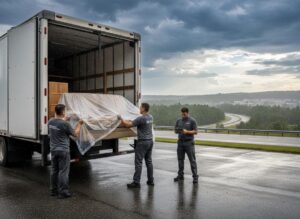
Beyond the general seasonal trends, specific regional weather phenomena can pose unique challenges to long-distance moves. Areas prone to hurricanes, for example, require detailed contingency plans during their respective seasons, often necessitating rescheduling or rerouting to avoid severe storms and potential road closures. Similarly, regions known for heavy snowfall and blizzards demand robust preparedness, with professional companies needing specialized equipment and experienced drivers to navigate hazardous conditions safely. Extreme heat in summer months can also affect sensitive items and the well-being of moving crews, requiring specific precautions. Addressing these varied weather risks is paramount when handling valuable possessions, especially for interstate moving and storage.
The Professional Approach to Weather Preparedness
Given the significant influence of weather, choosing a moving partner that prioritizes preparedness is essential for a smooth relocation. Experienced interstate residential movers understand that proactive planning is key to mitigating weather-related delays and damages. This involves continuously monitoring weather forecasts across entire travel routes, employing skilled and background-checked crews trained to operate safely in diverse conditions, and utilizing specialized equipment such as air-cushioned vans designed to protect items from sudden impacts and rough terrain. Such professional standards ensure that your belongings are handled with the utmost care, regardless of the elements, demonstrating a commitment to reliability and customer satisfaction through transparent communication and adaptable strategies.
Navigating the complexities of long-distance relocation, especially with the added variable of weather, requires foresight, experience, and a steadfast commitment to safety. By understanding how seasonal and regional weather patterns can impact your move, you can make more informed decisions and choose a partner prepared for any eventuality. To explore how professional long-distance household moving companies can tailor a plan that accounts for these challenges and ensures a worry-free transition, we invite you to learn more about our comprehensive services.
Ready to Get Moving?
Contact us today for a free, no-obligation estimate and let our experts handle the heavy lifting. Whether you’re moving across town or across the country, we’re here to make your next chapter simple and stress-free.